
-
 Tampa Bay Rays/XFans still looking for seats to Games 3 and 4 at Tropicana Field will need to look to secondary ticket sellers and expect to shell several hundred to a few thousand dollars per ticket.
 -
 Anna Rodenberg/WUFT NewsThe extra dollar could help some workers pay for everyday expenses. But it may not be enough to significantly change college students' ability to afford housing.


-
 Tampa and St. Petersburg will once again be linked by ferry by the end of the year. Tara Hubbard, with Hubbard's Marina, explains what this will mean for residents across the region.
 -
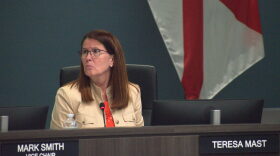 The financial relationship between Tallahassee lobbyist and Sarasota county commissioner raises concerns about potential conflicts of interest under Florida ethics law.
 -
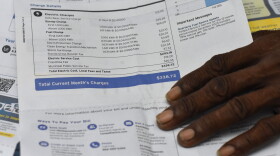 WUSF reporter Jessica Meszaros discusses some of her team’s recent reporting on the rising cost of power in Florida on "Marketplace Morning Report."
 -
 The facility, slated to open early next year, will provide visualizations of the ballpark and surrounding district. Meantime, the stadium's construction manager held outreach sessions for the local trades industry.
 -
 Polk County commissioners voted Tuesday, Oct. 6, to permanently remove Stacy Campbell-Domineck as CareerSource Polk’s president and CEO, complicating Lakeland commissioners’ debate over the Lakeland Housing Authority board.
 -
 On "Florida Matters Live & Local," a Hillsborough County resident and vacation rental property manager express different opinions.
 -
 A University of South Florida economics professor shares insight on concerns over the recently raised minimum wage in Florida on "The Florida Roundup."
 -
 This South Florida community is typically a refuge for Canadians fleeing cold weather, but trade tensions between the United States and Canada mean fewer are coming.
 -
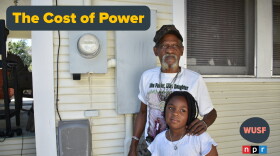 Over the past several months, WUSF has researched what's behind rising electricity costs and what — if anything — can be done about them.
 -
 Rising electricity prices are part of a statewide trend driven by consecutive rate hikes, high energy consumption, and a system that lets investor-owned utilities pass on costs to customers.
 -
 Solar hasn’t necessarily been replacing Florida utilities’ fossil fuel use, the state’s consumer advocate says — it’s actually been used in some cases to bring more fuel online, expanding the grid and your electricity bills.
 -
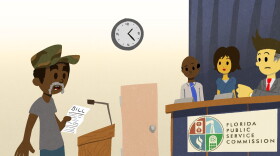 When utilities want to raise rates or recoup costs, they have to go before the Florida Public Service Commission for approval.


