-
 Tuesday's retaking of Congress doesn’t affect President Trump’s control of the veto pen, making the new majority’s aspirations to reverse changes to Medicaid, the ACA and other programs an uphill climb.
-
 When federal subsidies for Affordable Care Act health insurance expired last year, Florida was hit particularly hard. Now, as the election and open enrollment coincide, healthcare is a major issue.
-
 Consumers and healthcare advocates on Monday called on political candidates and elected officials to address the mounting financial pressure on Floridians seeking health insurance.
-
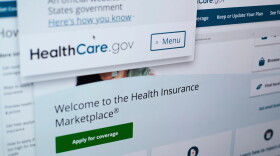 As open enrollment for Affordable Care Act health insurance kicks off, consumers face rising premiums, additional identity checks, and fewer brokers.
-
 An Orlando woman survived after a brain tumor that grew unchecked for seven years because she couldn't get the insurance necessary to see a doctor. She now supports candidates who favor Medicare for all.
-
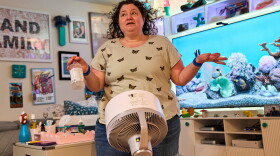 The state has a large population relying on the federal health insurance marketplace, making it a focal point for the fallout. Clinics for the uninsured help, but they can't meet the demand.
-
 The program offers healthcare coverage to uninsured residents who don't qualify for Medicaid. In July, Polk County expanded maximum income requirements from 200% to 300% of the federal poverty line.
-
 A tragic case in Kissimmee illustrates how rising insurance costs can force patients to switch plans — and risk losing timely access to critical medications.
-
 The rule embraces new types of coverage, including 30% higher out-of-pocket costs for some plan and a more novel approach that allows insurers to offer coverage without set networks of doctors.
-
 Congress' decision not to extend enhanced marketplace tax credits has boosted the appeal of alternative health coverage with lower monthly premiums.
-
 The impact is heavily concentrated in states like Florida with high Latino populations. According to the UnidosUS report, Latinos represent a massive share of the projected newly uninsured.
-
 Some people find they owe money back for subsidies if their income changed from what they estimated. In 2026, more people may find themselves in this situation if they don’t carefully track their income.

© 2026 All Rights reserved WUSF
Play Live Radio
Next Up:
0:00
0:00
Available On Air Stations


