

WUSF, in collaboration with the Florida Climate Reporting Network, is bringing you stories on how climate change is affecting you.
-
 Richard A. "Skip" Davis, Jr. Collection of Coastal and Geologic IllustrationsThe roughly 14-acre property, known as Elnor Island, has been owned by Treasure Island for more than four decades. Now, city officials want to make sure it stays undeveloped.
 -
 Meghan Bowman/WUSFA 71-year-old man fishing near the shore of Lake Apopka has been attacked and killed by a 12-foot alligator.


-
 According to Planning Director Derek Kilborn, data centers are neither permitted uses nor eligible for special exceptions.
 -
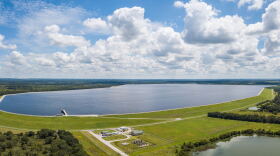 In addition to rain, river flows have picked up since late August. The reservoir that serves Hillsborough, Pinellas and Pasco counties is about 72% full.
 -
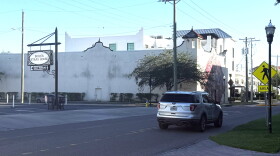 The two class-action lawsuits challenge different aspects of the project, which is expected to take more than three years to complete along South Howard Avenue.
 -
 A new research project aims to demonstrate that voracious black soldier fly larvae can turn stinky sargassum into food for fish, livestock and even cats and dogs.
 -
 Pollinators are already facing a long list of threats. Corey Callaghan, an assistant professor at UF/IFAS, said those threats rarely act alone.
 -
 Last summer, wading bird nesting was at its lowest point since consistent record-keeping began 30 years ago
 -
 Herpetologists blame not the slider, but the former freshwater ponds in the interior of the island spiking in salinity after being inundated with saltwater storm surge from recent hurricanes.
 -
 County staff will use the year to consider things like the consumption of electricity and water, noise abatement, environmental impacts, and defining data center uses.
 -
 The annual health checkup brings Lakeland’s swans together for exams and vaccinations — and marks the final roundup for longtime parks director Bob Donahay.
 -
 Key West City Commissioners recently voted on plans to hire scientific and environmental consultants to determine the feasibility of a removal project.
 -
 Even with this latest activity in the Gulf, it's been a quiet Atlantic hurricane season so far, which is typical for the El Niño climate pattern we're in right now.
 -
 The take included protected sea turtles and their hatchlings, he says.


