-
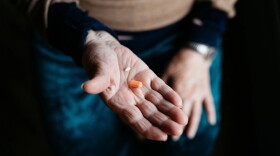 Medical guidance often changes faster than prescribing habits. Researchers say elderly patients may still be taking medications longer or more often than necessary, despite known risks.
 -
 Lipfendra is the first noninjectable medication that works by blocking a liver protein that limits the body's ability to clear cholesterol from the blood.
 -
 The agreement restores eligibility for the AIDS Drug Assistance Program to 400% of the federal poverty level ($62,600 per year), reverses the drug restrictions and provides $75 million to run the program.
 -
 The new TrumpRx program relies partly on connecting consumers with discount coupons offered by drugmakers. For insured patients, though, using a coupon can prove dicey.
 -
The funding will restore ADAP eligibility to more than 11,000 people until the Legislature passes a budget. The state health department enacted the change March 1 citing a $120 million shortfall.
-
 The man, diagnosed with an autoimmune disorder, said he was reassured the drugmaker’s copay card would cover his share, but after two months, the card was empty.
 -
 Michael Emanuel Rajner says lawmakers are willing to shore up a purported $120 million deficit in the medication program and the health department "needs to stand down."
 -
 The measure would let people sue vaccine manufacturers if the drugs advertised in the state harm them.
 -
 The federal government’s Vaccine Injury Compensation Program was supposed to help patients with their medical bills while protecting vaccine supply. But allies of the HHS secretary routinely transfer cases to launch lawsuits against drugmakers.
 -
 Insurers will take drug costs, frequency of use and other factors into account as they set premium amounts for the 2026 plan year.
 -
 A new drug is helping families who've spent years locking up or hiding food as their children with Prader-Willi syndrome deal with unrelenting hunger. But additional progress is under threat.
 -
 The AP-NORC survey shows about half of U.S. adults believe it is a good thing for adults to use Ozempic, Wegovy and similar GLP-1 drugs if they are struggling with weight. That support doesn't go for teens.

© 2026 All Rights reserved WUSF
Play Live Radio
Next Up:
0:00
0:00
Available On Air Stations


