-
 Tuesday’s decision now clears the way for more than 7,600 proposed units across 18 projects seeking to use the controversial Live Local Act.
-
 A judge rejected the county's effort to restrict Live Local developments in rural areas, a decision that could affect several other pending lawsuits.
-
 Manatee County residents who successfully opposed a 175-unit housing development last year now face a proposal for more than 640 apartments on the same property — this time with little opportunity for public input.
-
 On “The Florida Roundup,” Florida Housing Coalition Chief Executive Officer Ashon Nesbitt discusses how much affordable housing has been built through the Live Local Act.
-
 The letter casts new doubt on the county’s long-running fight over the controversial law, giving ammunition to developers suing the county in six ongoing cases and potentially clearing a path for more than 7,500 housing units that have been put on pause.
-
The Live Local Act was pitched as a way to fast-track affordable housing near urban centers by cutting through red tape to build large-scale apartment developments.
-
 The latest legal clash comes just months after SITC Inc. sued Sarasota County and each commissioner for voting down Live Local projects located in rural neighborhoods.
-
 The lawsuits come amid a rush of new Live Local applications before a July 1 deadline, after which new state restrictions will make it more difficult to build apartment complexes on rural land.
-
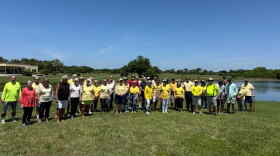 The Live Local Act has become a flashpoint across the state, as residents and elected officials argue it can be used to push through projects that might not otherwise win approval.
-
 Sarasota County Commissioners said they were reacting to a steady barrage of concerns from residents over the impact of the proposed developments.
-
 An amendment allows local governments to opt out of tax exemption requirements mandated by the Live Local Act — but only if there is a surplus in affordable housing units in the region.
-
 According to a Florida Policy Institute analyst, the law puts an unfair burden on those who are singlehandedly supporting children, parents or people with disabilities.

© 2026 All Rights reserved WUSF
Your Spot for Local, WUSF 89.7
Play Live Radio
Next Up:
0:00
0:00
Available On Air Stations


