-
 The settlement is aimed at addressing nitrogen pollution that contributes to harmful algae blooms in one of the largest concentrations of freshwater springs in the world.
 -
 Hundreds of square miles of Florida's largest lake is again blanketed in toxic, blue-green algae.
 -
 Recent rain showers coincide with the start of the annual fertilizer ban. Key nutrients from fertilizer runoff contribute to algae growth, which leads to murky, stinky waters and hurts marine life.
 -
 By mid-April the seaweed had spread across the Caribbean, with substantial amounts pushing into the Gulf. Huge amounts washed up along many shorelines in what USF researchers call "beaching events."
 -
 The fish kill appears to have been a relatively small, natural event caused by several stresses hitting an especially sensitive species at once.
 -
 Florida's toxic algae bloom season starts in about a month, but the state has already issued multiple health alerts this year.
 -
 Together, these efforts could make future outbreaks shorter and less severe — though some environmental advocates warn the solutions may carry unintended risks.
 -
 Rising temperatures, increasing nutrients, and changing currents could all be factors in the algae expansion.
 -
 Neurotoxin levels were highest in the dolphins stranded during warmer months, when harmful algal blooms are more severe.
 -
 One of the reasons for the decrease in seagrass in Old Tampa Bay is an excess of nutrients in the water — a buildup that work on the Courtney Campbell Causeway might alleviate.
 -
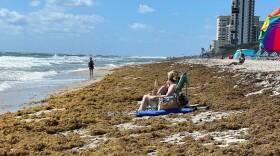 If you've been on the coasts of Florida in the last couple of weeks, you've probably seen bunches of brown seaweed washing up on the shore.
 -
 UF/IFAS researchers are testing how effective these products are by putting them in mesh bags and burying them alongside corn and cotton crops.

© 2026 All Rights reserved WUSF
Play Live Radio
Next Up:
0:00
0:00
Available On Air Stations


