-
 Unpredictable weather has affected which crops can be grown, how much farmers can harvest and how much it costs to grow them.
 -
 José Delgado worked in agriculture, harvesting everything from tomatoes and squash to beans and sweet potatoes. Over time, working in Florida's heat took its toll.
 -
 Their record isn't the only thing that's hot. Practice in the afternoon has had dangerous temperatures, forcing teams adjust how they prepare for the big game.
 -
 Researchers found that when it hit 92.6 degrees in Chicago, hospitals had increases several injuries and illnesses, including issues like MS complications and marijuana-related mental health problems.
 -
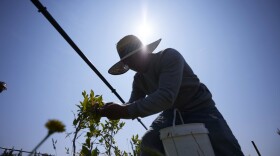 Research shows heat amplifies the dangers of pesticides for farmworkers, and that the problem is poised to grow as the global climate warms.
 -
 Although a trough will be around the Peninsula, there will also be an influx of Saharan dust into the state, but it will stay mainly across South and Central Florida.
 -
 Florida's heat is about much more than high temperatures. In Part 1 of this two-part series, AccuWeather explains what heat is actually doing to your body—and why some of the earliest warning signs are often the easiest to miss.
 -
 Farm stands have become a unique way for consumers to buy homemade baked goods, fresh eggs and handcrafted items.
 -
 Across Florida, summer heat has generally been extended by about a week and a half to two weeks. This is based on a Climate Central analysis using data from the National Weather Service between 1970 and 2024.
 -
 On "The Florida Roundup," Dr. Cheryl Holder gave tips on how to protect yourself during extreme heat. For example, avoiding alcohol and excessive caffeine.
 -
 On "The Florida Roundup," we spoke about what’s causing record-breaking heat in parts of the state with meteorologist Megan Borowski. Also, how extreme heat can affect your health with Dr. Cheryl Holder and more.
 -
 This extreme heat comes as the federal government proposes to rollback vehicle pollution standards, and rescind a key scientific finding on greenhouse gases being a threat to public health.

© 2026 All Rights reserved WUSF
Play Live Radio
Next Up:
0:00
0:00
Available On Air Stations


