-
 Progress Village was established decades ago to provide affordable housing for Black residents near Tampa. The phosphogypsum stack, containing the toxic waste of fertilizer production, is right next door.
 -
 The pile contains phosphogypsum, a radioactive compound required by regulation to be contained in special stacks to prevent exposure. Environmental groups have raised concerns, citing the 2021 Piney Point disaster.
 -
 Mosaic said the lawsuit by the Center for Biological Diversity should be dismissed because it already finished building parts of the road that included phosphogypsum.
 -
 If permits are approved, construction at the Riverview plant would begin in 2028, according to a preliminary company presentation.
 -
 The EPA approved the pilot project. Attorneys for the agency and Mosaic say the EPA had discretion to sign off on it.
 -
 In August, the Florida Department of Environmental Protection issued draft permits for Mosaic Fertilizer to drill two exploratory wells in Polk County that could be a step toward injecting wastewater underground.
 -
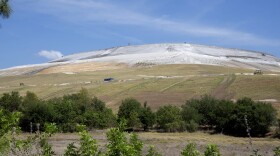 Mosaic, a major player in the state’s phosphate industry, applied in early 2024 for approval to drill exploratory wells at sites in Mulberry and Bartow.
 -
The Center for Biological Diversity is legally challenging the EPA's decision to allow phosphogypsum in the construction project, citing a 1992 federal rule against doing so and cancer risks.
-
Center for Biological Diversity, an environmentalist group, claims the use of phosphogypsum in the road would increase levels of radon gas, posing a cancer risk to workers and residents.
-
Federal regulators are seeking comment on their plan to approve the test road bed project in Polk County through Nov. 8.
-
 The phosphate mining company had halted operations across Florida to prevent potential damage from Milton.
 -
One of Florida's biggest phosphate mines is reporting a possible tear in the lining that keeps waste from polluting the environment. But officials say the effects are still unknown.

© 2026 All Rights reserved WUSF
Play Live Radio
Next Up:
0:00
0:00
Available On Air Stations


