-
 For those navigating what can be a complicated process for the first time, “Here & Now‘s” Indira Lakshmanan speaks with Jill Schlesinger, a CBS News business analyst and host of the podcast “Money Moves.”
 -
 IRS takes up whistleblower claim of Hope Florida money that flowed to Uthmeier's political committeeThe Internal Revenue Service is reviewing a whistleblower claim about $10 million in Medicaid settlement money that moved through the Hope Florida Foundation and, within weeks, into a political committee chaired by James Uthmeier, now Florida's attorney general, according to new records obtained by the Florida Trident.
 -
 This week on "The Florida Roundup," we spoke about changes to eligibility for Medicaid. Then, we looked at changes in eligibility and funding for SNAP in Florida and more.
 -
 Top Democrats in the Florida House are demanding the Internal Revenue Service open an investigation into whether the Hope Florida Foundation and two social welfare organizations that received money from it properly reported the funds to the IRS and, moreover, whether any of the organizations have to pay taxes on the funds.
 -
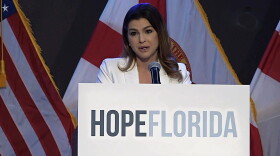 A grand jury investigation into Hope Florida and a $10 million Medicaid misappropriation left Floridians with plenty of questions. Many remained unanswered. One of the reporters who broke the story does his best.
 -
 The investigations by attorneys general of Gainesville-based Trajector Medical follow a bankruptcy filing in the face of civil lawsuits, falling revenues, and impending debt payments.
 -
 GOP gubernatorial candidate also supports DeSantis administration's proposed rule to drop four school vaccine mandates.
 -
 A recently leaked grand jury report found the money was “misappropriated” but didn’t find enough evidence to charge anyone with a crime.
 -
 Republicans voted to hold Dr. Anthony Fauci in contempt of Congress after he refused to answer their questions about the government's response to the COVID-19 pandemic.
 -
 The Democratic U.S. Senate candidate criticized Moody, who was Florida attorney general at the time, over her office’s role in the Hope Florida scandal.
 -
 The Temporary Protected Status of Haitian immigrants expired Monday. It is also the end of their employment authorization. Healthcare in Florida is expected to feel the hit.
 -
 A growing network of home-sharing programs is helping people find compatible housemates. And demand is rising, driven by housing shortages, rising rents and sales prices that affect the old and young.

© 2026 All Rights reserved WUSF
Play Live Radio
Next Up:
0:00
0:00
Available On Air Stations


