-
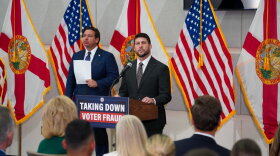 A state appeals court has ordered the Hope Florida grand jury report expunged. Here's what the ruling means, how politicians are reacting and what's next.
 -
 The cut was mandated in President Donald Trump’s big tax-and-policy law last year. The restored funding does not mean the battle over federal abortion policy has ended, and not all services that were cut will return.
 -
 It's been two years since the law went into effect. On "The Florida Roundup," Dr. Aaron Elkin at Memorial Regional Hospital in Broward County explains the way he's seen it affect reproductive care.
 -

-
 Florida abortion rights advocates rallied at the Capitol, urging lawmakers to pass the Reproductive Freedom Act and roll back the state’s six-week abortion ban. It's not likely to happen anytime soon.
 -
 With abortions still on the rise nationwide despite widespread bans, curtailing the use of pregnancy-terminating medication is a top priority for abortion opponents — and they’re frustrated that the Trump administration isn’t doing more to limit its use.
 -
 Of the 44,206 reported abortions, 43,920 were performed in the first trimester of pregnancy, while 286 were performed in the second trimester, according to state data.
 -
 Florida law prevents abortions after six weeks of pregnancy, with limited exceptions. It also requires in-person dispensing of abortion medication.
 -
 The lawsuit challenges FDA decisions since 2000 that approved and loosened restrictions on abortion drugs like mifepristone, arguing that mail delivery of the drugs undermines state abortion laws.
 -
 A city ordinance barred pedestrians in a driveway entrance to the clinic and on five feet of sidewalk on each side of the driveway.
 -
 Florida's attorney general alleges the nonprofit's claim that mifeprestone and misoprostol are safer than Tylenol is “manifestly false” and “badly misleads" women.
 -
 The legislation still has a long way to go, and it's already receiving Republican opposition.

© 2026 All Rights reserved WUSF
Play Live Radio
Next Up:
0:00
0:00
Available On Air Stations


