-
 Gov. Ron DeSantis characterized the clean energy goals the law bans as “radical climate policies,” although experts say the law will not necessarily upend the plans.
 -
 Florida cities and counties are facing new limits after Gov. Ron DeSantis signed laws targeting DEI programs and some climate policies. Here’s what changed.
 -
 Said DeSantis: "It's like, 'We're just going to stop the madness here,' and that's what this bill does.”
 -
 Gas-powered outdoor equipment releases emissions that pose health risks and contribute to climate change
 -
 Florida could achieve net zero by 2050 while growing the economy, creating jobs, and reducing the costs of energy and transportation for consumers, according to the report.
 -
 Carbon credit programs have come under scientific scrutiny for overstating how much they help the climate.
 -
 Existing coal and new natural gas-fired power plants that run more than 40% of the time will have to eliminate 90% of their carbon dioxide emissions.
 -
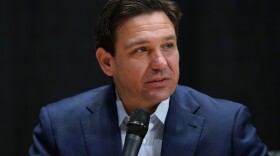 The governor had vowed, as a former presidential candidate, to replace the words “climate change” with “energy dominance” in national security and foreign policy guidance.
 -
 Carbon capture pilot project is coming to Hillsborough, despite pushback from clean energy advocatesFor 60 days, a company plans to capture one ton of carbon dioxide daily from the county's waste-to-energy plant, which produces 600 tons of carbon dioxide a day.
 -
 The state transportation department left $320 million on the table, saying it wouldn’t support the “continued politicization of our roadways.”
 -
 Florida was offered $320 million in federal funding for transportation projects aimed at reducing tailpipe emissions, but turned it down because of "politicization."
 -
 "The idea behind using sporopollenin is that now you create a permanent storage for that carbon — that carbon is not going back to the atmosphere," said Matias Kirst with UF.

© 2026 All Rights reserved WUSF
Play Live Radio
Next Up:
0:00
0:00
Available On Air Stations


