-
 José Javier Rodríguez, the Democratic nominee for Florida Attorney, is calling for a "full investigation" into an internal report by the Department of Homeland Security that found inhumane detention practices at the now-defunct Everglades migrant detention center known as "Alligator Alcatraz."
 -
 A new report by the Department of Homeland Security's Inspector General called it a practice that “does not meet standards for humane treatment.” DHS said any allegations of inhumane conditions are false.
 -
 Fires that burned about 24,000 acres in Everglades National Park were mostly brought under control on Wednesday, but scientists are keeping an eye on effects from a prolonged drought that could impact Florida Bay, wading birds and the Everglades muck.
 -
 U.S. Wildland Fire Service firefighters are on the scene of several fires in Everglades National Park, including the Chipmunk and Vulture fires.
 -
 Detainees at the immigration detention center dubbed “Alligator Alcatraz” were relocated months ago. Generators were removed and the tents broken down. But environmental groups said the legal case questioning the facility's effects isn't over.
 -
 Tom Rahill won the $10,000 first prize for capturing 96 pythons from Everglades National Park.
 -
 Despite its imminent closure, attorneys suing to close 'Alligator Alcatraz' say the fight's not overNearly a year to the day since it opened, the immigration detention center in the Everglades is empty. But attorneys on the case to shut it down said the work is not done yet.
 -
 A little outdoorsy talk on "Florida Matters Live & Local." Amid the rise of pickleball, the USTA says there aren't enough public tennis courts in the state. Is there room for both? Also, why do hikers love flat ol' Florida?
 -
 The Center for Biological Diversity is suing the state for the second time over the immigration detention center in the Everglades.
 -
 U.S. Rep. Maxwell Frost visited the detention center on Tuesday. He said based on what he saw, he believes the center is winding down.
 -
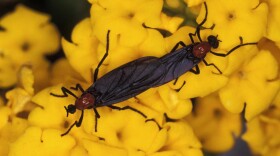 What is a love bug? And why do they give their lives for a little smooch with our car grills? We have an expert on “Florida Matters: Live & Local” with the facts.
 -
 Four South Florida men have been convicted in the 2021 assassination plot targeting Haitian President Jovenel Moïse. But there are lingering questions over what really happened in the months leading up to the killing.

© 2026 All Rights reserved WUSF
Play Live Radio
Next Up:
0:00
0:00
Available On Air Stations


