-
 Local organizations, first responders, people in recovery and area residents came together Monday to remember those who have died from overdoses and to address the resources for people who are still struggling with substance use.
 -
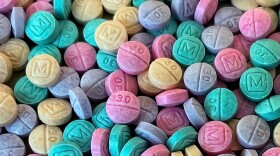 Ten counties split up $2 million through the Coordinated Opioid Recovery Network, which connects people dealing with addiction to treatment, psychiatric care, housing services and more.
 -
 A new study finds that popular GLP-1 drugs used to treat diabetes and obesity show new promise in fighting multiple substance use disorders.
 -
 Despite the rise in use, seeking treatment for cannabis use disorder has become less common. Experts say this is partly due to the misconception that marijuana is safe and nonaddictive.
 -
 The drama surrounds two young sisters who cover up the meth-addled death of their mother and collateral damage of addiction. It opens Friday at Green Light Cinema in St. Petersburg and Tampa Theatre.
 -
 The money will pay for efforts to prevent and treat opioid addiction, or fund services that help people in recovery.
 -
 A report based on millions of urine drug tests found the United States is facing a rise in the use of multiple drugs at once, which not only is often more deadly but complicates treatment efforts.
 -
 High school can be a tough place for any kid, especially students struggling with drug or alcohol addiction. A few schools in Florida are dedicated to helping kids stay sober while they earn their diplomas.
 -
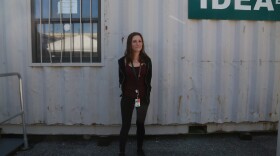 Emilie Ashbes overcame her drug addiction and is now helping others do the same. The work of IDEA is especially critical in Miami-Dade, which has the nation’s highest HIV infection rate, with dirty syringes, in part, to blame.
 -
 Advocates say helping people who've struggled with addiction find jobs and advance their education is critical to maintaining their recovery.
 -
 Indivior was accused of using illegal strategies to keep generic versions of the opioid-treatment medication Suboxone off the market. Several states, including Florida, sued the company, which denies wrongdoing.
 -
 "Second Chances," directed by a USF professor, features four individuals from Tampa as they recovered from addiction and homelessness while struggling through the COVID-19 pandemic.

© 2026 All Rights reserved WUSF
Play Live Radio
Next Up:
0:00
0:00
Available On Air Stations


