-
 Information from state health departments and medical journals suggests the Florida outbreak marks the most cases in a calendar year for any state since at least the 1940s.
 -
 The latest weekly report from the state health department showed 43 additional illnesses, down from 66, 87 and 97 in the previous respective updates. Eleven of the new patients were in Bay County.
 -
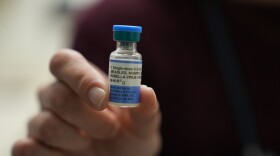 It’s the fourth consecutive year that the national average exemption rate has reached a record, and the vast majority are parents withholding shots for nonmedical reasons.
 -
 HIV community clinics are being cut off from federal direct funding next month. Two of them are in Orange County, an area with one of the country's highest rates of new diagnoses.
 -
Florida reported 66 cases of the gastrointestinal illness, down from the previous week's count of 87. That paralleled national numbers as the head of FDA assured Americans it was OK to eat lettuce.
-
The Florida Department of Health's most recent day reflects from July 25 to Aug. 1 The state's total count is 355 cases since May 1, a benchmark date tied to the first outbreaks U.S. outbreaks.
-
 A USF expert says Americans' dependence on imported produce means the country might need to intervene to ensure it's safe.
 -
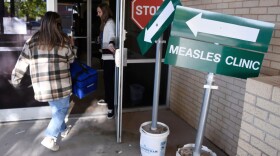 The CDC says it has logged more than 2,300 cases of measles as of Thursday. Major outbreaks in South Carolina, Utah, and Arizona have contributed to the rise.
 -
 The state health department added 60 confirmed cases for a total of 154 since May 1, when officials began identifying an outbreak of the gastrointestinal illness around the country.
 -
 Once a case is confirmed, a report is sent to the state Department of Health. But if someone doesn’t seek medical attention, the case could go unreported. Plus, there could be a six-week reporting lag, the CDC says.
 -
 A USF professor of environmental health biology says funding cuts scaled back the CDC's FoodNet surveillance network, reducing monitoring of foodborne illnesses such as cyclosporiasis.
 -
 There have been 48 cases of cyclosporiasis in Florida from June 1 to July 4 and 60 for the year, accoring to the latest data available on the Florida Department of Health's disease database.

© 2026 All Rights reserved WUSF
Play Live Radio
Next Up:
0:00
0:00
Available On Air Stations


