-
 The U.S. attorney for the Middle District of Florida was joined by members of the FBI, the Hillsborough County Sheriff’s Office and USF police to emphasize awareness about fentanyl.
 -
 Overall, HHS is distributing more than $383 million to bolster behavioral health programs. In addition, USF received $500,000 to implement opioid-sparing pain-management protocols at Tampa General Hospital ERs.
 -
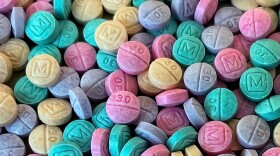 Ten counties split up $2 million through the Coordinated Opioid Recovery Network, which connects people dealing with addiction to treatment, psychiatric care, housing services and more.
 -
 Opioid-caused deaths fell by 42% from January 2025 to June 2025, and fentanyl-caused deaths fell 46%, according to an interim report released by the Florida Medical Examiners Commission.
 -
 Drug overdose deaths dropped bout 14% last year, according to preliminary government data. It was the third straight annual drop, making it the longest decline in decades.
 -
 The Martin County Sheriff’s Office report said Woods’ movements were slow and lethargic, he was sweating as he talked to deputies, and he told them that he had taken prescription medication earlier in the morning.
 -
 A new study finds that popular GLP-1 drugs used to treat diabetes and obesity show new promise in fighting multiple substance use disorders.
 -
 Members of the Statewide Council on Opioid Abatement said they have raised questions about the spending for more than a year but have received no answers, according to the Orlando Sentinel.
 -
 A new AI-powered tech is showing law enforcement and public health leaders dangerous drugs entering their communities and predicting the drug wave.
 -
 Local governments received millions for addiction treatment, recovery and prevention. Their 2024 spending was sometimes surprising or controversial. A KFF database documents 10,500+ decisions.
 -
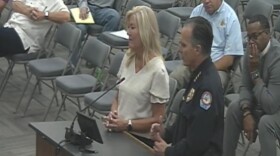 A year after Fort Walton Beach launched the POST program, Police Chief Robert Bage tells commissioners that Okaloosa is no longer among the top seven Florida counties for opioid deaths.
 -
 The compound 7-hydroxymitragynine is extracted from Kratom leaves. One key difference is that 7-OH products are more similar to prescription opioids like morphine.

© 2026 All Rights reserved WUSF
Play Live Radio
Next Up:
0:00
0:00
Available On Air Stations


