-
 This year's El Niño likely contributed to the storm, and it's only growing stronger.
-
 Florida's 2026 rainy season ended unevenly, leaving some areas drought-stricken despite heavy October downpours. Historic early November rainfall brought catastrophic flooding to parts of Central Florida, highlighting the state's sharp weather contrasts.
-
 Over the past four days, the highest rainfall totaled about 13 to 15 inches between Weston and Sunrise, George Rizzuto, a meteorologist with the National Weather Service in Miami, said Wednesday.
-
 A historic November deluge brought at least 22-30 inches of rain to Florida's east coast, with some locations exceeding NOAA's 1-in-1,000-year rainfall thresholds. As a powerful El Niño develops, the extraordinary flooding raises questions about what lies ahead for Florida's normally drier months.
-
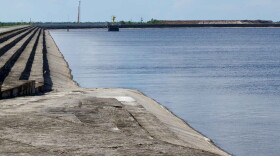 The 6 billion-gallon reservoir is designed to build reserves from the river during the summer that can be tapped during the drier fall and winter. An unusually dry rainy season in 2025 disrupted that cycle.
-
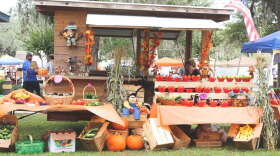 October weather across Florida is usually warm, with lower precipitation chances. The tropics usually remains a concern through the month.
-
 Florida finally has a meaningful opportunity to put a dent in its drought, but the same prolonged wet pattern that brings drought relief could also bring localized flooding and increasingly rough coastal conditions into next week.
-
 Following the Autumnal Equinox, the Climate Prediction Center (CPC) predicts above normal rainfall totals and temperatures across the entire state of Florida.
-
 Unpredictable weather has affected which crops can be grown, how much farmers can harvest and how much it costs to grow them.
-
 According to data published by the National Bureau of Economic Research, adverse weather can impact a prospective student's outlook on an educational institution.
-
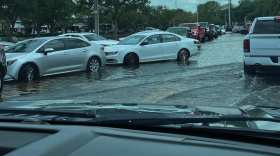 Flash flood risk continues throughout the Labor Day Weekend. Avoid flooded roads.
-
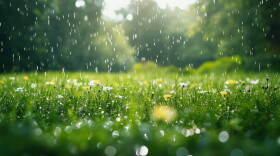 It can pour in one Florida neighborhood while sunshine hangs on just a few streets away. Florida's intense summer heat, sea breezes and highly localized thunderstorms help create some of the most hit-or-miss rainfall imaginable. Here's the science behind why your neighbor may get soaked while your yard stays completely dry.

© 2026 All Rights reserved WUSF
Play Live Radio
Next Up:
0:00
0:00
Available On Air Stations


