Flooding is a big problem for the Tampa Bay region – not just from hurricanes, but also heavy rain, high tides, and rising sea levels.
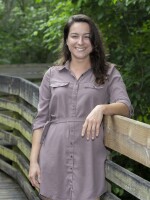
"About half of our population in the region lives less than 10 feet above sea level, and some areas flood even on sunny days,” said Alana Todd, an environmental planner for the Tampa Bay Regional Planning Council.
“Climate change is increasing our risks, and those flood drivers will likely only worsen over time.”

The organization is using a four-year grant from the National Fish and Wildlife Foundation to map out where the coastline is vulnerable across seven counties: Citrus, Hernando, Pasco, Hillsborough, Pinellas, Manatee, and Sarasota.
After identifying those especially flood-prone areas, the community-driven effort will determine possible solutions. They've already talked to residents, local governments, and experts.
"The central aim of this project is to create a plan that can serve as this unified sort of road map for the region when they want to go out and receive grant funding, so they have the justification to bring in big infrastructure projects,” she said.
Projects like living shorelines or wetland restoration.
They’re in year two of the study. Since engaging stakeholders, they’re now pivoting to the risk assessment piece of the plan.
Todd referenced a 2025 study by the World Resources Institute that found every dollar invested in resilience can result in more than $1.4 trillion over 10 years.
“So, we need to be investing in these kinds of solutions now. And this Tampa Bay coastal master plan will help … propel some of our solutions forward and make sure that our local governments and our communities are prepared when big funding dollars become available,” Todd said.