-
 On "Florida Matters Live & Local," a mother and caregiver shared advice for those who are going through the same experiences.
 -
 A state appellate court ordered that a recently leaked grand jury report on Hope Florida be expunged. Does it all go away with no repercussions?
 -
 A blue-ribbon panel will hold two more meetings before it adopts the final list of recommendations to the Legislature on how best to use state dollars to treat children with autism.
 -
 During Labor Day celebrations, advocacy groups are warning parents to keep a close eye on autistic children while they're in homes with pools
 -
 The converted short school bus decorated in ice-cream balls is more than a business with sweet treats. Owner Emily Grace developed it as a hands-on vocational training ground for adults with special needs.
 -
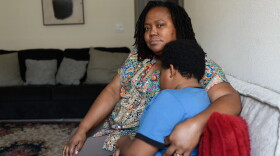 Researchers and disability advocates warn a dismantling of the Education Department risk widening the disparities autistic kids face in diagnosis, school support and discrimination protection.
 -
 In 60 seconds or less, the TeaganAI platform can compile a list of private, charter and virtual schools offering services match the student's need.
 -
 Florida in the past two years has spent more money than any other state in the nation providing a therapy called applied behavior analysis (ABA) to children with special needs including autism — $6.57 billion between 2023 and 2025.
 -
 A 5-year-old boy with autism was found dead Friday after drowning in the retention pond behind his Tampa apartment.
 -
 The police department recently announced its Approach With Care Autism Awareness Initiative. It includes additional training for officers and free vehicle decals.
 -
 During a roundtable on youth mental health, Surgeon General Dr. Joseph Ladapo introduced guidelines urging broader evaluations by providers before children are prescribed psychotropics.
 -
 Kids with autism can be 160 times more likely than other children to drown. Florida is dedicating state money to a program that prioritizes swim lessons for these kids.

© 2026 All Rights reserved WUSF
Play Live Radio
Next Up:
0:00
0:00
Available On Air Stations


