-
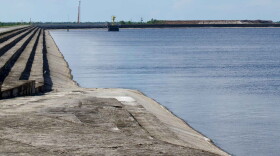 The 6 billion-gallon reservoir is designed to build reserves from the river during the summer that can be tapped during the drier fall and winter. An unusually dry rainy season in 2025 disrupted that cycle.
 -
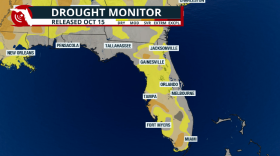 Florida is on track to reduce the drought as we finish the rainy season this month.
 -
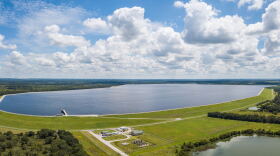 In addition to rain, river flows have picked up since late August. The reservoir that serves Hillsborough, Pinellas and Pasco counties is about 72% full.
 -
 Last summer, wading bird nesting was at its lowest point since consistent record-keeping began 30 years ago
 -
 This means you can only water outdoors once a week, on your assigned day.
 -
 The trade-off from a quiet hurricane season? The El Niño brewing in the Pacific Ocean could result in the most severe winter weather conditions ever recorded in Florida.
 -
 Unpredictable weather has affected which crops can be grown, how much farmers can harvest and how much it costs to grow them.
 -
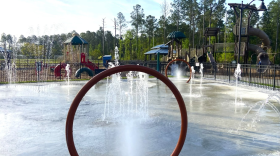 Florida's summer of 2026 was dominated by persistent heat waves and rainfall deficits, especially across South Florida.
 -
 Fires that burned about 24,000 acres in Everglades National Park were mostly brought under control on Wednesday, but scientists are keeping an eye on effects from a prolonged drought that could impact Florida Bay, wading birds and the Everglades muck.
 -
 Much of Central Florida is in an "extreme" water shortage, as declared by regional water management districts.
 -
 Research on HOAs has found that these private, quasi-governmental organizations are an often overlooked but influential force in environmental policy.
 -
 While parts of Central and North Florida have seen heavy rainfall, many areas remain well below normal after two months of the rainy season.

© 2026 All Rights reserved WUSF
Play Live Radio
Next Up:
0:00
0:00
Available On Air Stations


