-
 Mosquito control experts say this year's unusual weather conditions — extreme drought along the Gulf Coast followed by heavy rain in August — played a part in an explosion of mosquitoes and the current outbreak of locally acquired dengue.
 -
 A strengthening El Niño could bring Florida a wetter, cloudier and stormier dry season. Here is why the risk of flooding, squall lines and tornadoes typically increases—especially across Central and South Florida.
 -
 This year, federal forecasters say the planet could see the strongest El Niño event on record. Here's what you need to know.
 -
 A powerful El Niño is already influencing extreme weather around the planet. During the last strong El Niño, federal agencies ramped up research in the hope of improving weather forecasts. This year, they won't be matching that effort.
 -
 The trade-off from a quiet hurricane season? The El Niño brewing in the Pacific Ocean could result in the most severe winter weather conditions ever recorded in Florida.
 -
 A strong El Niño is raising the odds of an active winter storm season—and the Floridians most likely to die in a tornado live in aging manufactured homes the state can’t even count.
 -
 Atlantic hurricane season has reached its climatological peak without producing a single hurricane. A strengthening El Niño is helping suppress development, but Florida’s complicated history shows why a quiet peak is no guarantee of a quiet finish.
 -
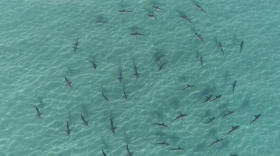 A powerful El Niño can rearrange marine ecosystems, sending sharks and their prey into unfamiliar waters. The biggest changes happen in the Pacific, but the ripple effects can extend far beyond it.
 -
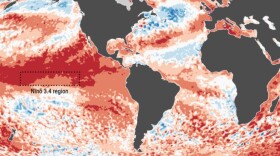 A record El Niño event could help shape Florida’s winter weather by producing wetter conditions and an increased risk of severe weather.
 -
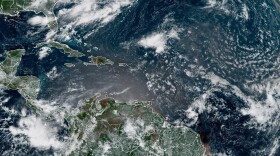 The Atlantic hurricane season is entering what is typically the busiest stretch, but an El Niño event is expected to suppress tropical activity.
 -
 Saharan dust and wind shear are keeping things quieter in the Gulf, but an ocean scientist says, "it only takes one in the wrong place."
 -
 Researchers are producing new corals using the genes of those more resilient to heat, they've established two gene banks and they are doing cooling experiments, like canopies that float on the water.

© 2026 All Rights reserved WUSF
Play Live Radio
Next Up:
0:00
0:00
Available On Air Stations


