-
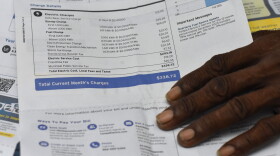 WUSF reporter Jessica Meszaros discusses some of her team’s recent reporting on the rising cost of power in Florida on "Marketplace Morning Report."
 -
 The law mandates that Florida utility customers won’t bear the additional costs brought by new large scale data centers.
 -
 Rising electricity prices are part of a statewide trend driven by consecutive rate hikes, high energy consumption, and a system that lets investor-owned utilities pass on costs to customers.
 -
 Solar hasn’t necessarily been replacing Florida utilities’ fossil fuel use, the state’s consumer advocate says — it’s actually been used in some cases to bring more fuel online, expanding the grid and your electricity bills.
 -
 When utilities want to raise rates or recoup costs, they have to go before the Florida Public Service Commission for approval.
 -
 A Florida Power & Light pilot program is exploring the feasibility of bringing solar energy and agriculture together on the same land, advancing innovative solutions while supporting Florida's natural environment.
 -
 The Public Service Commission approved the refund, which will result in a one-month reduction in base rates to reflect any "revenue over-recovery" charges from the Juno Beach-based FPL.
 -
 The disconnections point to a broader trend of energy insecurity, advocacy groups say. A $7 billion rate hike for Florida Power & Light customers will further raise costs.
 -
 It includes advice on how to protect homes, prevent mold and reduce energy costs while away during the summer months.
 -
 Utility profit margins are one reason why electricity bills are rising, the report says. Advocates say low-income communities are hardest-hit by the costs.
 -
 Republicans advocating for the preemption say clean energy efforts are more costly than fossil fuel use, despite Tampa recently showing significant savings from such practices.
 -
 The lawsuit alleges Florida Power & Light and its parent company made misleading statements about issues such as funding “ghost” candidates to influence elections.

© 2026 All Rights reserved WUSF
Play Live Radio
Next Up:
0:00
0:00
Available On Air Stations


