-
 The county added 22 cases from Oct. 25-31, the lowest weekly total since 16 were recorded during the week ending Aug. 16. Since July, Hillsborough accounted for 407 of Florida's 524 infections.
-
 Cases spiked in the Tampa area because officials weren't prepared to fight the disease like they already do in more southern counties like Miami-Dade or Lee. A hotspot is the populated area north of Ybor City.
-
 For the week of Oct. 18-24, Hillsborough reported 39 new cases of the mosquito-borne illness, for a total of 385 since this year’s onset in July. Pinellas added 16 cases and is up to 67.
-
 It didn't take long for Paulo Picora, with Hillsborough County Mosquito Management, to find Aedes larvae in Sky Lebron's yard. One only needs to know where to look for vectors and "wigglers."
-
 The discrepancy raises questions about how the Department of Health determines where infections originate and whether the state's official numbers accurately reflect the risk of transmission in the county.
-
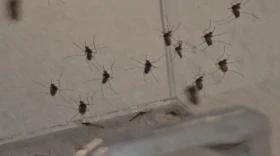 Cooler, drier weather will likely need to stick around a little longer before its effects show up in reported case numbers. Hillsborough added 36 infections and Pinellas another 14 in the latest weekly state report.
-
 The Tampa Bay region has 352 confirmed cases across Pinellas, Pasco, Polk, and Hillsborough counties. Hillsborough continues to lead the state with 310 cases.
-
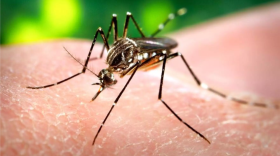 Maurice Kurtz tells CIDRAP News he woke up with a 101-degree fever and "ached so much." After tests for flu and COVID came back negative, he went to an urgent care clinic for a dengue test.
-
 Pinellas reported 17 more cases as the outbreak shows signs of crossing the bay. Hillsborough added 51 cases in the state's latest weekly update of mosquito-borne illnesses.
-
 Orange County is reporting two more Florida cases of the mosquito-borne illness known as dengue. The cases are a small indication of the state's record-breaking case total.
-
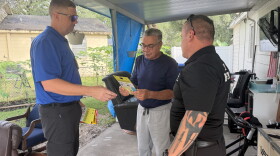 The city canvassed urged residents to dump out any standing water, which is how the Aedes aegypti mosquitoes responsible for the virus breed. Most of the breeding spots are abandoned tires.
-
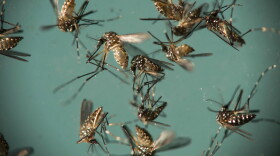 Health officials have cautioned the mosquito-borne illness doesn't respect county boundaries. In a region connected by daily commuting, infected people can spread it beyond the original hotspots.

© 2026 All Rights reserved WUSF
Play Live Radio
Next Up:
0:00
0:00
Available On Air Stations


