-
 Over the past two years, the Service has lost more than 170 employees in Florida, accounting for about half of the state's federal wildlife workforce.
 -
 On "Florida Matters Live & Local," we dig into a lawsuit in Charlotte County pitting a landowner against federal wildlife protections for the Florida scrub jay and why it could be significant to the Endangered Species Act.
 -
 The ruling upheld a previous judge's ruling that said the federal government giving control over building in Florida's wetlands to the state could imperil endangered species like the Florida panther.
 -
 The U.S. Fish and Wildlife Service estimated there are less than 1,000 ghost orchids left in the United States.
 -
 The Center for Biological Diversity says logging, urbanization and suppression of natural fire cycles have "destroyed and degraded the habitat" the species depends on.
 -
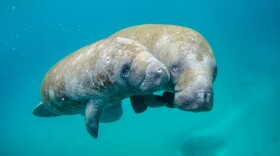 Nearly 2,000 manatees died in the state in 2021 and 2022, a two-year record. Widespread water quality problems and seagrass losses left the sea cows starving.
 -
 The U.S. Fish and Wildlife Service plans to add the butterfly to the threatened species list by the end of the year following the extenned public comment period.
 -
 U.S. officials decided to extend protections to monarch butterflies after warnings from environmentalists that populations are shrinking and the beloved pollinator may not survive climate change.
 -
 Boyd Hill Nature Preserve is an important habitat for gopher tortoises in southern Pinellas County. Recent deaths and a lack of protections for the species raise concern with the Center for Biological Diversity.
 -
 His ruling that the U.S. Fish and Wildlife Service and the U.S. Environmental Protection Agency violated the Endangered Species Act shifts power away from the state.
 -
 The rare ghost orchid found mainly in Florida and Cuba should be immediately protected by the U.S. as an endangered species, three environmental groups claimed in a lawsuit arguing that federal officials are unduly delaying a decision.
 -
 Wildlife officials are using a new method to help control the explosive population growth of the invasive snake by tracking down their prey.

© 2026 All Rights reserved WUSF
Play Live Radio
Next Up:
0:00
0:00
Available On Air Stations


