-
 The woman, who is from Ecuador, was on the cruise ship that had a hantavirus. She says she wanted to be monitored in South Florida, whe she has a home, but was kept against her will.
 -
 In mid-April, an annual forecast by the Cruise Lines International Association estimated that 38.3 million people would travel on ocean-going ships this year, 4% more from a record 37.2 million passengers last year.
 -
 Cruise operators must communicate clearly with passengers and follow protocols to limit the spread. A UF Health epidemiologist and a maritime attorney explain on "Florida Matters Live & Local."
 -
 A hantavirus has captured the world’s attention, especially here in Florida, where the cruise industry has a big footprint. We’ll talk about how dangerous the disease really is and how cruise companies deal with outbreaks.
 -
 A new state law aimed at blocking a proposed cruise port in Manatee County may still leave the door open to large-scale development in the Terra Ceia Aquatic Preserve, according to environmental advocates and legal experts.
 -
 Gov. Ron DeSantis has sunk the proposal, which was widely criticized by environmentalists.
 -
 Manatee County is a significant contributor to Florida’s shellfish aquaculture sector, which supports over $29 billion in sales revenue and more than 400 jobs throughout the state’s economy.
 -
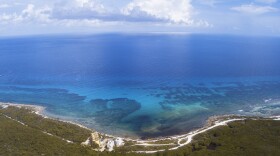 Royal Caribbean plans to build a massive water park private destination in Mahahual, a small town on Mexico's coast, cbut the project has been halted amid legal and environmental concerns.
 -
 The proposed terminal has aroused opposition from fishers, boaters and environmental advocates who want to protect the ecologically sensitive area. Around 12,000 people have signed a petition against it so far.
 -
An idea for a cruise terminal near the Skyway is drawing early resistance as environmental groups question whether the promised benefits outweigh the risks to one of Tampa Bay’s most fragile coastal areas.
-
 SSA Marine said its port would be just south of the seaward side of the Sunshine Skyway and would complement Port Tampa Bay's operations. The land is on an environmentally sensitive island, worrying advocates.
 -
 The outbreak occurred on Holland America's Rotterdam during a voyage from Dec. 28 to Jan. 9. The cruise line notified the CDC on Jan. 8 after passengers and crew began reporting gastrointestinal illness.

© 2026 All Rights reserved WUSF
Play Live Radio
Next Up:
0:00
0:00
Available On Air Stations


