-
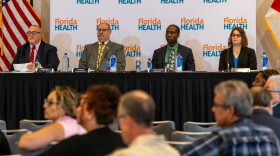 The health department wants to remove the immunization requirements for hepatitis B, varicella (chickenpox), Haemophilus influenza type b (Hib) and pneumococcal conjugate to attend Florida schools.
 -
 In a draft sent to employees and obtained by the News Service of Florida, the DOE would require approval for head coverings on a “case-by-case basis for religious or medical reasons.”
 -
 Commissioner Henry Mack wants school districts to cross-check the DOE’s official list of removed books with their own list of instructional materials and library books for review.
 -
 Challenges facing districts in the Tampa Bay area vary, but low pay and the rising cost of living are cited as factors making it harder to fill classrooms. Here's a breakdown by county.
 -
 By combining forces, smaller school districts have found a way to bargain for better health insurance policies for their teachers by turning to a self-insured plan.
 -
 Pasco and Hillsborough district leaders say they want to reduce excessive technology use, so that it enhances rather than displaces hands-on learning.
 -
 A new study found students experience unintended consequences: less time for extracurricular activities, confusion about selecting courses and majors, and going through college too quickly.
 -
 The system serves hundreds of thousands of students and costs billions. On "The Florida Roundup," Politico reporter Andrew Atterbury breaks down the legal challenge and why homeschooling is a major factor.
 -
It alleges nearly $5 billion in taxpayer dollars are being sent to private schools and charter schools via the Family Empowerment Scholarship, which aren’t held to the same standards or oversight as traditional public schools.
-
 Florida Southern College’s Roberts Academy marks 15 years of helping students with dyslexia close literacy gaps — and reshape their futures.
 -
 The move opens the door to the possibility of religious charter schools and state-funded scholarships for religious universities.
 -
 Last school year, more than 54,000 alerts were sent from Florida campuses. Nearly half — 0r 44% — were related to student behavior. Only 1% of alerts were related to suspicious activity and another 1% for a campus threat.

© 2026 All Rights reserved WUSF
Play Live Radio
Next Up:
0:00
0:00
Available On Air Stations


