Some waterfront homeowners in St. Pete Beach will soon get free designs on living shorelines and a permitting guide to update their seawalls with natural elements from a group helping them become more resilient.
Three residents off South Maritana Drive in the low-lying Don CeSar neighborhood recently got designs and a permit to replace their shared, crumbling seawall.
Now, a new seawall will be protected from damaging wave action using sloping rocks and plants. The living shoreline will also be placed five feet above sea level to prevent high-tide flooding.
These more natural options not only grow stronger overtime, unlike their hardened infrastructure counterparts, but they also improve water quality by restoring marine habitat.
ALSO READ: Private homeowners in Florida are working together to make their shared shorelines more resilient
Tom Ries of Ecosphere is partnering with the city and Tampa Bay Estuary Program to make the engineered designs available to other homeowners.
"We designed these specifically so you only need one permit instead of four. Usually these take four permits, and that can take six months. No one wants to wait that long, so we can get these done in a quicker way,” Ries told city commissioners this week.
He added that 70 homes have been identified for sharing the designs. The property owners will soon be handed permitting tips, plus be connected with vetted contractors.
John Rondolino is hoping to get in on this. He attended a neighborhood meeting last week where Ries and his team gave a presentation.
"I think it's great, and I think that the Don CeSar Place community is a perfect test case to try to get all of this done,” Rondolino said. “It's too time consuming to try to deal with the permitting department on an individual basis.”
ALSO READ: Florida municipalities are spearheading shoreline resiliency through nature-based solutions
At that community meeting, surveys were handed out to the residents to learn more about how and why they make environmental decisions – more specifically what they think of living shorelines before they install them ... or not.
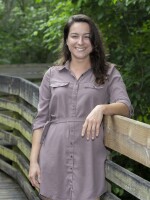
"Most projects centered around this idea of adoption of living shorelines have mostly focused after the fact, and primarily from the people who do adopt living shorelines,” said Blake Simmons, an environmental social scientist for the Tampa Bay Estuary Program.
“While that is useful, it doesn't tell us about the journey that people take in making these decisions, and it also doesn't give us a clearer understanding of why people don't go and adopt living shorelines.”
Simmons curated the survey, which will become a study, in part, on barriers considered by waterfront property owners for installing living shorelines — like cost, permitting or aesthetics — and whether the options laid out by Ries’ group change their minds.
“It's really exciting because it's the first of its kind,” Simmons said.
He plans to follow some these folks on their living shoreline journeys, and then publish the results for decision-makers down the line.