-
 More private boats will take part in "community-based ocean mapping" while AI is expected to help sort through all the data.
 -
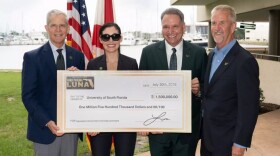 The funding is part of a spending package enacted back in February, aiming to support seven different projects on all three USF campuses.
 -
 The university Board of Trustees voted unanimously give Moez Limayem a 10% performance bonus. The president also presented his vision for the 2026-27 school year.
 -
 Since 1991, the USF College of Marine Science has hosted Oceanography Camp Especially for Girls. Every summer, 30 eighth-grade grad go on a research expedition and do what marine scientists do.
 -
 Ye is bringing his tour to Raymond James Stadium this weekend despite a push by Sen. Rick Scott to cancel over the performer's antisemitic statements. We delve into the controversy.
 -
 From mud collected in Antarctica to mangrove soil scooped up in Tampa Bay, specimens are resurfacing. But it may be a while before vital scientific equipment is restored.
 -
 Some individuals have lost samples and “library collections that they have been building for decades.”
 -
 Florida lawmakers want to earmark recovery funds in the state's budget this week, as a local event hopes to also raise some money.
 -
 Jet fuel prices are sky high, and air travelers are feeling it in their wallets. Now comes the sudden shuttering of Spirit airlines. How can flyers stay on budget?
 -
 “I think almost everybody that was doing research and using that facility will be impacted one way or another,” said Dean Tom Frazer. “We're still concerned that samples may have been lost that may be irreplaceable."
 -
 No injuries were reported, and the cause of the fire is under investigation. USF officials said initial information indicates the building "may be a total loss."
 -
 Hurricanes and red tides could become more powerful as the Gulf of Mexico heats to record levels. But budget cuts are threatening a system that monitors conditions there — including programs based in St. Petersburg and Sarasota.

© 2026 All Rights reserved WUSF
Play Live Radio
Next Up:
0:00
0:00
Available On Air Stations


